The global food system is at a critical juncture. With a rapidly growing population, diminishing arable land, and the increasing volatility of climate change, the traditional methods of agriculture are struggling to keep pace. Enter vertical farming, a revolutionary approach that is redefining how we grow food. This comprehensive guide will take you through the A-Z of this innovative concept, highlighting how companies like Infarmight are leveraging technology to build a more resilient and sustainable food future.
What is Vertical Farming? The Core Concept
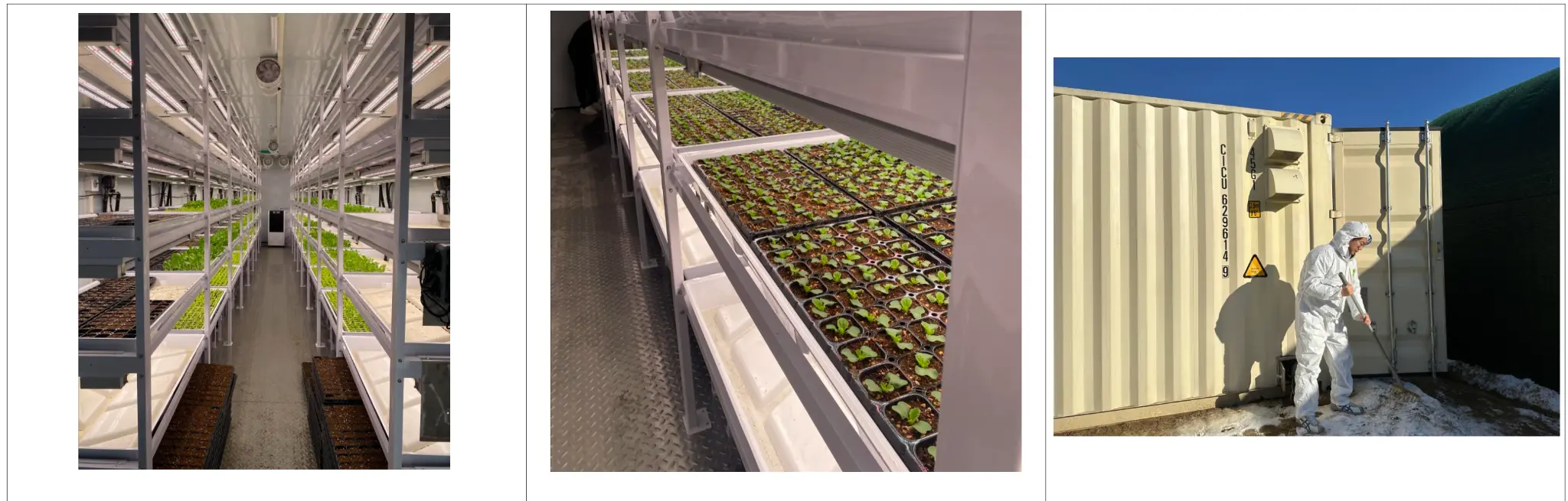
Vertical farming is the practice of growing crops in vertically stacked layers, often indoors in a controlled environment. Instead of sprawling horizontally across vast fields, this method utilizes vertical space, dramatically reducing the land footprint required for food production.
The fundamental principle is simple: maximize yield per square meter by stacking production. This is achieved by using non-soil-based growing techniques, such as hydroponics, aeroponics, or aquaponics, and carefully controlling every environmental factor—from light and temperature to humidity and nutrient delivery.
The Three Pillars of Vertical Farming
Vertical farming relies on the integration of three key elements:
- Physical Structure: The multi-layered, stacked system, often housed in warehouses, shipping containers, or specialized buildings.
- Growing Medium: The replacement for traditional soil, which can be water (hydroponics), mist (aeroponics), or a symbiotic system with fish (aquaponics).
- Controlled Environment Agriculture (CEA): The technological infrastructure that manages the environment, including LED lighting, climate control, and automated nutrient delivery.

The Technological Edge: How Infarmight is Leading the Way
Infarmight, a smart farm company, exemplifies the cutting edge of vertical farming technology. They don’t just stack plants; they integrate sophisticated Internet of Things (IoT) and machine learning technologies to create a network of distributed, modular farms.
Infarmight’s approach is centered on the concept of the “farm-as-a-service” or a modular, cloud-connected farm unit. These units can be placed directly in urban centers, supermarkets, or restaurants, drastically cutting down on “food miles” and ensuring maximum freshness.
Key Infarmight Innovations
- Cloud-Enabled Farming: Each Infarmight unit is a smart, connected device. Data on growth, nutrient consumption, light spectrum, and climate is constantly collected and sent to a central cloud platform. This massive dataset allows for continuous optimization of growing recipes.
- Modular and Scalable Design: The farms are designed to be highly modular, allowing for rapid deployment and scaling. A single unit can be expanded into a large-scale farming operation or distributed as micro-farms across a city.
- AI-Powered Optimization: Machine learning algorithms analyze the data from thousands of plants to determine the perfect “growing recipe” for each crop, optimizing for flavor, nutritional value, and yield. This level of precision is impossible in traditional agriculture.
The A-Z of Vertical Farming Concepts
To truly understand the revolution, it helps to break down the core concepts that make vertical farming possible.
A: Aeroponics
A system where plant roots are suspended in the air and misted with a nutrient-rich water solution. This method uses up to 90% less water than hydroponics and is highly efficient.
B: Biosecurity
The controlled indoor environment provides a natural barrier against pests and diseases, significantly reducing or eliminating the need for chemical pesticides and herbicides.
C: Controlled Environment Agriculture (CEA)
The umbrella term for the technology used to manage the indoor climate, including temperature, humidity, CO2 levels, and air circulation.
D: Distributed Farming
The model, championed by Infarmight, of placing smaller, modular farms closer to the point of consumption, reducing transportation costs and environmental impact.
E: Energy Efficiency
While vertical farms require energy for lighting and climate control, advancements in LED technology have drastically reduced consumption. Furthermore, the use of renewable energy sources is a growing trend in the industry.
H: Hydroponics
The most common method, where plants are grown in a nutrient solution without the use of soil.
I: IoT (Internet of Things)
The network of sensors, cameras, and automated systems that monitor and control the farm environment, providing the data backbone for smart farming.
The Environmental and Economic Benefits
The shift to vertical farming is not just a technological marvel; it’s an environmental imperative and an economic opportunity.
Environmental Sustainability
| Feature | Traditional Farming | Vertical Farming | Benefit |
|---|---|---|---|
| Land Use | Vast acreage | Minimal footprint (stacked) | 99% less land required |
| Water Use | High (evaporation, runoff) | Low (recycled, closed-loop) | Up to 98% less water |
| Pesticides | Essential for pest control | Virtually eliminated | Healthier, cleaner produce |
| Food Miles | Long supply chains | Short (farm-to-fork) | Reduced carbon emissions |
| Climate Resilience | Highly vulnerable to weather | Immune to external climate | Consistent, year-round production |
Economic Viability
- Year-Round Production: Unlike seasonal outdoor farming, vertical farms produce crops 365 days a year, ensuring a stable supply and revenue stream.
- Higher Yields: The ability to control the environment and optimize growing recipes leads to significantly higher yields per square meter compared to conventional farming.
- Reduced Waste: By growing closer to the consumer and harvesting on demand, post-harvest loss and spoilage are dramatically reduced.

Challenges and the Future Outlook
While the benefits are clear, vertical farming is not without its challenges. The primary hurdle remains the initial capital investment and the energy consumption required for lighting and climate control.
Infarmight and other industry leaders are actively addressing these issues:
- Energy Solutions: Investing in more efficient LED technology and integrating with renewable energy sources (solar, wind) to lower the operational carbon footprint.
- Crop Diversity: Expanding the range of economically viable crops beyond leafy greens and herbs to include fruits, vegetables, and even staple crops.
- Automation: Further automation of planting, harvesting, and packaging to reduce labor costs and increase efficiency.
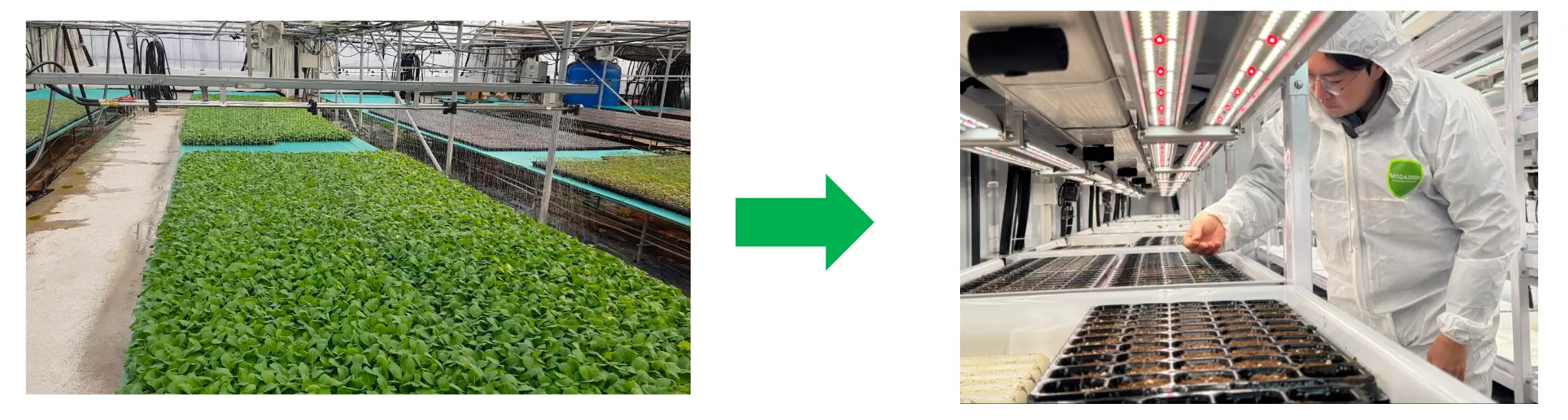
The future of vertical farming, particularly with the advancements brought by companies like Infarmight, is bright. It promises a world where fresh, nutritious, and sustainably grown food is available to everyone, regardless of geography or climate. By bringing the farm into the city, we are not just changing how we grow food; we are fundamentally changing our relationship with it.
Conclusion: A New Era of Agriculture
Vertical farming is more than a trend; it is a necessary evolution in agriculture. It addresses the core challenges of modern food production—sustainability, security, and quality—with a technological solution. Infarmight’s smart, modular, and cloud-connected farms are a testament to this future, demonstrating that high-tech agriculture can be both environmentally responsible and economically sound. The A-Z of vertical farming is still being written, but the first chapters, driven by innovation, are already revolutionizing our plates.